German Shepherd Puppies

Bi-Color German Shepherd Puppies: A Complete Guide

As the leading experts in German Shepherd breeding in North Carolina since 1991, German Shepherd Puppies NC is proud to present this comprehensive guide to bi-color German Shepherds. Our decades of experience breeding award-winning AKC German Shepherds gives us unique insight into this stunning variety of the breed.

happy bicolor german shepherd puppies

Appearance

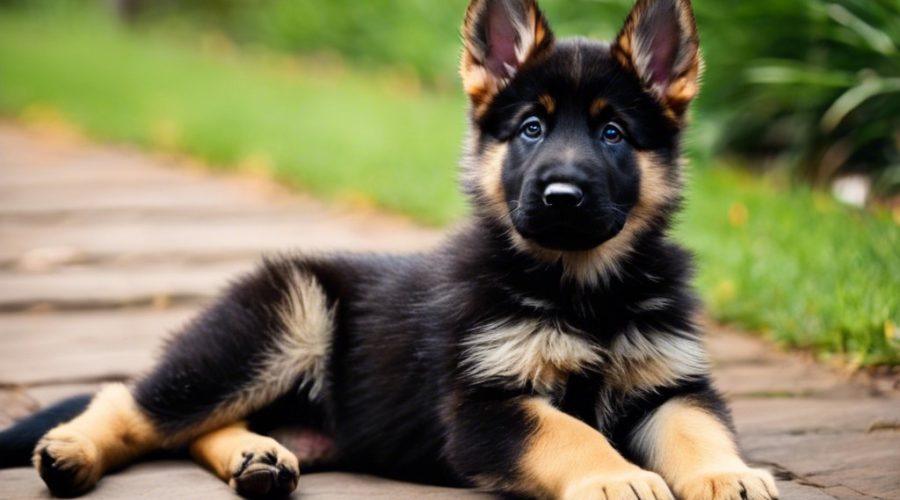
The bi-color German Shepherd showcases a striking coat pattern characterized by a predominantly black body with minimal tan markings, typically appearing only on their feet, under the tail, and in small areas on their face. Unlike the traditional black and tan pattern, bi-color German Shepherds have significantly less tan coloring, creating a dramatic and distinctive appearance. They maintain the breed’s noble bearing, with strong, muscular bodies, erect ears, and alert expressions.

Personality and Temperament

Bi-color German Shepherds share the same legendary temperament that has made the breed famous worldwide. They are:

  • Intelligent and highly trainable
  • Loyal and devoted to their families
  • Naturally protective and alert
  • Confident and steady-nerved
  • Social when properly socialized
  • Determined and focused

bicolor german shepherd puppy children

Compatibility with Children

These dogs make excellent family companions when properly trained and socialized. Their natural protective instincts, combined with their patient and gentle nature, make them ideal guardians for children. However, as with any dog, supervision is essential during interactions between dogs and young children.

Training Requirements

Bi-color German Shepherds possess the breed’s characteristic high intelligence and eagerness to please, making them highly trainable. They require:

  • Early socialization
  • Consistent, positive reinforcement-based training
  • Mental stimulation through training exercises
  • Regular obedience work
  • Purpose-driven activities

bicolor german shepherd puppies

Exercise Needs

These energetic dogs require substantial daily exercise to maintain their physical and mental well-being:

  • 1-2 hours of daily exercise
  • Regular walks or jogs
  • Interactive play sessions
  • Mental stimulation activities
  • Access to a secure yard for free play

Grooming and Care

Bi-color German Shepherds have a double coat that requires regular maintenance:

  • Brush 2-3 times per week
  • More frequent brushing during shedding seasons
  • Regular nail trimming
  • Routine dental care
  • Occasional baths as needed

rich bicolor german shepherd puppy

Health Considerations

While generally healthy, bi-color German Shepherds may be prone to certain conditions:

  • Hip and elbow dysplasia
  • Degenerative myelopathy
  • Bloat
  • Allergies
  • Eye problems

Regular veterinary check-ups and proper preventative care are essential for maintaining their health.

Feeding Guidelines

A proper diet is crucial for maintaining their health and energy levels:

  • High-quality protein-rich dog food
  • Age-appropriate portions
  • Regular feeding schedule
  • Fresh water always available
  • Consideration of activity level when determining portions

bi-color german shepherd puppy

Pros of Bi-Color German Shepherds

  • Striking appearance
  • Excellent protection dogs
  • Highly intelligent
  • Versatile working abilities
  • Strong family bonds
  • Great with children when properly trained

Cons to Consider

  • Heavy shedding
  • High exercise requirements
  • Need for consistent training
  • May be too protective without proper socialization
  • Regular grooming needed
  • Potential health issues

bicolor german shepherd puppy

Choosing a Bi-Color German Shepherd Puppy

When selecting a bi-color German Shepherd puppy, it’s crucial to work with reputable breeders who prioritize health and temperament. German Shepherd Puppies NC has been breeding the best German Shepherd puppies for sale in all of North Carolina since 1991. Whether you’re looking for black German Shepherd puppies, white puppies, blue puppies, sable puppies, or long-haired puppies, we have the award-winning AKC quality German Shepherd puppy that is just right for you and your family.

Our bi-color German Shepherd puppies are carefully bred to meet the highest standards of health, temperament, and conformation. We take great pride in breeding the best German Shepherd puppies in the world, and our bi-color puppies are no exception. Each puppy receives:

  • Early socialization
  • Health screenings
  • Temperament testing
  • Initial vaccinations
  • Regular veterinary care

Rich Bicolor German Shepherd Puppy

As North Carolina’s premier German Shepherd breeders since 1991, German Shepherd Puppies NC takes pride in our exceptional rich bi-color German Shepherd puppies. Rich bi-colors are a stunning and rare variation of the traditional bi-color pattern, displaying an intensely black coat with minimal, precisely defined tan markings typically found only on their paws, face, and under the tail.

What makes these puppies truly special is the depth and richness of their black coloring, which appears deeper and more lustrous than standard bi-colors, creating an almost velvet-like appearance. The tan markings on rich bi-colors are typically darker and more bronzed than those found on standard bi-colors, adding to their distinctive appearance.

While their coloring is unique, they share the same intelligent, loyal, and protective temperament that has made German Shepherds one of the world’s most beloved breeds. If you are looking for German Shepherd puppies for sale near me, then look no further than German Shepherd Puppies NC, where we specialize in breeding award-winning AKC quality German Shepherd puppies, including these magnificent rich bi-color specimens.

rich bicolor german shepherd puppies

Finding Your Perfect Bi-Color Companion

If you are looking for German Shepherd puppies for sale near me, then look no further than German Shepherd Puppies NC. We understand that choosing the right puppy is a significant decision, and we’re here to help guide you through the process. Our expertise in breeding German Shepherds ensures that you’ll receive a puppy with the ideal combination of beauty, intelligence, and temperament.

Bi-Color German Shepherd Puppies For Sale

To request a bi-color German Shepherd puppy, please contact German Shepherd Puppies NC. Our dedication to breeding excellence and commitment to producing the finest German Shepherd puppies ensures that your new family member will be everything you hope for and more.

When you choose a bi-color German Shepherd from German Shepherd Puppies NC, you’re not just getting a pet – you’re gaining a loyal companion, protector, and friend who will bring joy and security to your family for years to come.

bi-color german shepherd puppy children

How Much is a German Shepherd Puppy?

German Shepherds are one of the most popular dog breeds in the United States, known for their intelligence, loyalty, and versatility. If you’re considering adding one of these magnificent dogs to your family, one of the first questions you might have is: How much does a German Shepherd puppy cost? Let’s explore this topic in depth.

The Cost Range of German Shepherd Puppies

The price of a German Shepherd puppy can vary widely, typically ranging from $1,500 to $3,000 or more. However, it’s important to understand that the initial purchase price is just one part of the overall cost of owning a dog. Let’s break down the factors that influence the cost:

  1. Breeder Reputation and Experience
    Established breeders with a strong reputation for producing high-quality puppies often charge more. For example, German Shepherd Puppies NC has been breeding top-quality German Shepherds since 1991, offering over 30 years of expertise in producing award-winning AKC quality puppies.
  2. Bloodline and Pedigree
    Puppies from champion bloodlines or with exceptional pedigrees are typically more expensive. These dogs often have a history of success in show rings or working roles.
  3. Color and Coat Type
    While all German Shepherds are beautiful, some color variations are rarer and thus more expensive. German Shepherd Puppies NC offers a variety of colors including black, white, blue, and sable, as well as long-haired puppies.
  4. Health Certifications
    Reputable breeders invest in health testing for their breeding dogs and provide health guarantees for their puppies. This contributes to higher prices but also gives you more assurance about your puppy’s health.
  5. Location
    Prices can vary depending on where you live and the availability of German Shepherd breeders in your area. If you’re in North Carolina, German Shepherd Puppies NC offers locally bred puppies, potentially saving you travel costs.
  6. Training and Socialization
    Some breeders begin basic training and socialization before puppies go to their new homes. This early investment in the puppy’s development can increase the price but may save you time and effort later.

how much are german shepherd puppies

How Much Are German Shepherd Puppies? Understanding the True Cost

While the typical purchase price of $1,500 to $3,000 can be significant for some people, it’s just the beginning of your financial commitment. Here are other costs to consider:

  1. Supplies: You’ll need to purchase items like a crate, bed, collar, leash, food and water bowls, and toys.
  2. Food: German Shepherds are large dogs and require quality nutrition. Expect to spend $50-$100 per month on food.
  3. Veterinary Care: Regular check-ups, vaccinations, and preventative medications are essential. The first year can be particularly expensive due to initial vaccinations and spaying/neutering.
  4. Training: Professional training classes or private sessions can be beneficial, especially for first-time dog owners.
  5. Grooming: While German Shepherds don’t require professional grooming, you’ll need supplies for at-home care.
  6. Insurance: Pet insurance can help manage unexpected veterinary costs.

how much does a german shepherd puppy cost

Why Quality Matters

When considering the cost of a German Shepherd puppy, it’s crucial to prioritize quality over finding the lowest price. Investing in a well-bred puppy from a reputable breeder like German Shepherd Puppies NC can save you money in the long run through better health and temperament.

Reputable breeders focus on producing puppies with sound temperaments and good health. They perform health tests on their breeding dogs, provide early socialization for puppies, and offer support to new owners. While puppies from such breeders may cost more initially, they’re less likely to develop expensive health issues later in life.

how much do german shepherd puppies cost

German Shepherd Puppies NC: A Trusted Source

If you’re looking for German Shepherd puppies for sale in North Carolina, German Shepherd Puppies NC is a well-established option. With over three decades of experience breeding German Shepherds, they’ve honed their practices to produce award-winning AKC quality puppies.

German Shepherd Puppies NC offers a variety of options to suit different preferences. Whether you’re interested in traditional black German Shepherds, or looking for less common colors like white, blue, or sable, they have puppies that might fit your desires. They also offer long-haired German Shepherd puppies for those who prefer a fluffier coat.

german shepherd puppy price

The Adoption Process

When you’re ready to adopt a German Shepherd puppy into your home, the process typically involves:

  1. Research: Learn about the breed and ensure it’s a good fit for your lifestyle. Read our blog to learn more.
  2. Find a Reputable Breeder: Look for experienced breeders like German Shepherd Puppies NC.
  3. Visit the Breeder: Reputable breeders welcome visits to see their facilities and meet the puppies.
  4. Ask Questions: Inquire about health testing, socialization practices, and what’s included in the price.
  5. Meet the Puppies: Spend time with available puppies to find the right match for your family.
  6. Prepare Your Home: Get necessary supplies before bringing your new puppy home.

german shepherd puppies price

Conclusion

The cost of a German Shepherd puppy can vary significantly, but it’s important to consider the long-term value of investing in a well-bred puppy from a reputable source. While the initial price might be higher, the benefits of good health, sound temperament, and ongoing breeder support can be invaluable.

If you’re in North Carolina and looking for German Shepherd puppies, consider visiting German Shepherd Puppies NC. With their long-standing reputation and commitment to breeding excellence, they might have the perfect puppy to join your family. Remember, when you bring a German Shepherd into your life, you’re not just making a purchase – you’re gaining a loyal companion for years to come.

German Shepherd Puppies For Adoption – Top 10 Best List

German Shepherds are beloved for their intelligence, loyalty, and versatility. If you’re considering adding one of these magnificent dogs to your family, you may be wondering about adoption options. This post will explore the landscape of German Shepherd adoption in North Carolina, including the challenges of finding puppies and the various avenues available to prospective owners.

The Reality of German Shepherd Puppy Adoption

When people think of adopting a dog, they often envision bringing home a cute, cuddly puppy. However, it’s important to understand that finding a German Shepherd puppy for adoption, especially for free or at a low cost, is extremely rare. There are several reasons for this:

  1. High Demand: German Shepherds are one of the most popular dog breeds in the United States. Their versatility as working dogs, family companions, and service animals means there’s always high demand for German Shepherd puppies.
  2. Breeding Practices: Responsible breeders typically have waiting lists for their puppies and carefully screen potential owners. They rarely, if ever, surrender puppies to shelters or rescue organizations.
  3. Quick Adoptions: On the rare occasions when German Shepherd puppies do end up in shelters or rescues, they’re usually adopted very quickly due to high demand.
  4. Age of Surrendered Dogs: Most German Shepherds that end up in shelters or rescues are adults or seniors, not puppies.

While it’s not impossible to find a German Shepherd puppy for adoption, it’s important to have realistic expectations. Even if you’re willing to make a substantial donation (such as $1500) to a non-profit organization, finding a puppy for adoption can be challenging.

german shepherd puppy adoption

Options for Adopting German Shepherds in North Carolina

Despite the scarcity of puppies, there are still many wonderful German Shepherds in need of homes. Here are some options to consider:

  1. Breed-Specific Rescues: These organizations focus specifically on German Shepherds and may occasionally have puppies, but more often have adult dogs.
  2. General Animal Shelters: While less likely to have purebred German Shepherds, local shelters sometimes receive these dogs and can be a great place to find a mixed-breed with German Shepherd characteristics.
  3. Online Adoption Platforms: Websites like Petfinder.com or Adopt a Pet can help you search for German Shepherds across multiple shelters and rescues.
  4. Reputable Breeders: While not technically “adoption,” purchasing from a responsible breeder is an option for those specifically wanting a puppy.

As the oldest breeder of German Shepherd puppies in NC, we’d be glad to help you adopt a new puppy into your family. Here’s a list of our available puppies.

german shepherd puppies for adoption near me

Free German Shepherd Puppies For Adoption Near Me

While it’s next to impossible to find free German Shepherd puppies for adoption, as they often sell for $2000+ each, there are a handful of good non-profit organizations that help people find adult German Shepherds for adoption, which we’ll list below. If you would like to see our available puppies, you can do so here.

free german shepherd puppies for adoption near me

Top 10 Non-Profit Organizations for German Shepherd Adoption in North Carolina

While availability can change rapidly, here are ten reputable non-profit organizations in North Carolina where you might find German Shepherds for adoption:

  1. Southeast German Shepherd Rescue (North Carolina and Virginia focused)
  2. German Shepherd Rescue & Adoptions (North Carolina, South Carolina and Virginia focused)
  3. Freedom German Shepherd Rescue (North Carolina and Virginia focused)
  4. Macon County German Shepherd Rescue
  5. New Beginnings Shepherd Rescue (based in South Carolina)
  6. Carolina German Shepherd Rescue
  7. Saving Grace Animals for Adoption (based in Wake Forest)
  8. SPCA of Wake County (rarely ever have German Shepherds, but still a great organization)
  9. Humane Society of Charlotte
  10. Piedmont Animal Rescue

Remember, these organizations almost never have German Shepherd puppies available, but they often have wonderful adult dogs looking for loving homes. If you want to adopt a German Shepherd puppy today, then we recommend taking a look at our available puppies.

adopt a german shepherd puppy

Adopt An Older German Shepherd

While not a non-profit organization, this site allows people to post German Shepherds for adoption in NC. You won’t find puppies, but you will find older adult dogs and German Shepherd mix breeds.

The Benefits of Adopting an Adult German Shepherd

While puppies are undeniably cute, there are many advantages to adopting an adult German Shepherd:

  1. Known Personality: Adult dogs have established personalities, making it easier to find a good match for your lifestyle.
  2. Basic Training: Many adult dogs already know basic commands and are house-trained.
  3. Lower Energy: Adult German Shepherds are typically calmer than puppies, which can be beneficial for less active households.
  4. Immediate Companionship: Unlike puppies who need constant supervision, adult dogs can often integrate into your life more seamlessly.
  5. Saving a Life: By adopting an adult dog, you’re providing a second chance to a deserving animal.

german shepherd puppies for adoption

Considering a Breeder

If you’re set on getting a German Shepherd puppy and are unable to find one through adoption, working with a reputable breeder is an option. Here are some benefits of this route:

  1. Health Guarantees: Responsible breeders conduct health tests on their breeding dogs and offer guarantees on puppy health.
  2. Known History: You’ll have information about your puppy’s parentage and early life experiences.
  3. Ongoing Support: Good breeders remain available for questions and advice throughout your dog’s life.

Here at German Shepherd Puppies NC, we provide all of that and would be glad to help you adopt one of our puppies for a fee.

german shepherd puppies adoption

When choosing a breeder, look for one who:

  • Allows you to visit their facility
  • Provides health clearances for their breeding dogs
  • Asks you questions to ensure their puppies go to suitable homes
  • Offers a contract and health guarantee
  • Is knowledgeable about the breed and committed to its well-being

Remember, responsible breeders are not looking to make a quick profit. They invest significant time and resources into producing healthy, well-socialized puppies.

As North Carolina’s oldest breeder of German Shepehrd puppies, we’re here to help if you would like a puppy with all of the above. See our available puppies page to learn more.

adopt german shepherd puppies

Conclusion

While finding a German Shepherd puppy for adoption in North Carolina can be quite challenging, as very few puppies ever become available to adopt for free, there are many options for bringing one of these wonderful dogs into your life. Whether you choose to adopt an adult dog from a rescue or shelter, or work with a reputable breeder for a puppy, the most important thing is to make an informed decision that’s right for you and your future canine companion.

Remember that owning a German Shepherd is a long-term commitment. These intelligent, active dogs require proper training, socialization, exercise, and medical care. Before bringing any dog into your home, make sure you’re prepared for the responsibilities of pet ownership.

By choosing to adopt or purchase responsibly, you’re not just gaining a pet – you’re gaining a loyal friend and family member who will enrich your life for years to come.

german shepherd puppy dog food

1 Month German Shepherd Puppies: A Comprehensive Guide

German Shepherds are one of the most popular dog breeds worldwide, known for their intelligence, loyalty, and versatility. If you’re considering bringing a German Shepherd puppy into your home, understanding their development at various stages is crucial. This article focuses on 1 month German Shepherd puppies, their growth, care, and what to expect during this early stage of their lives.

The Journey from Newborn to 1 Month German Shepherd Puppies

The transition from newborn 1 month German Shepherd puppies to full-size 1 month German Shepherd puppies is a rapid and fascinating process. During their first month of life, these puppies undergo significant changes and developments.

newborn german shepherd puppy

Week 1: The Newborn Stage

Newborn 1 month German Shepherd puppies are entirely dependent on their mother. They’re born with their eyes closed and ears sealed, relying solely on their sense of touch and smell to navigate their environment. At this stage, they spend most of their time sleeping and nursing.

Week 2: Eyes Begin to Open

Around 10-14 days old, the puppies’ eyes start to open, though their vision is still poor. They become more active but are still heavily reliant on their mother for warmth and nutrition.

german shepherd mom and 1 month old puppies

Week 3: Increased Mobility

By the third week, 1 week 1 month German Shepherd puppies begin to stand and take their first wobbly steps. Their ears start to open, and they become more responsive to sounds in their environment.

Week 4: The One-Month Milestone

At four weeks, we have full-size 1 month German Shepherd puppies. They’re now much more active, playing with their siblings and exploring their surroundings. Their teeth are coming in, and they may start showing interest in solid food.

german shepherd puppy dog food

Physical Characteristics of 1 Month Old German Shepherd Puppies

At one month old, German Shepherd puppies are adorable bundles of fur with distinctive features:

  • Weight: Typically between 4-8 pounds
  • Length: About 8-10 inches from nose to tail
  • Coat: Soft, fluffy puppy coat
  • Eyes: Fully open, usually blue-gray (will change color later)
  • Ears: Floppy and starting to respond to sounds

It’s important to note that these are averages, and individual puppies may vary. Some may be larger or smaller than their littermates, which is normal at this stage.

two german shepherd puppies

Behavioral Development of 1 Month German Shepherd Puppies

At one month, German Shepherd puppies are entering a critical period of socialization and learning. Here’s what you can expect:

  • Increased playfulness with littermates
  • Beginning to explore their environment more confidently
  • Starting to respond to visual and auditory stimuli
  • May begin to show early signs of individual personalities
  • Still heavily dependent on their mother, but showing more independence

Nutrition for 1 Month Old German Shepherd Puppies

At this stage, 1 month old German Shepherd puppies are still primarily nursing from their mother. However, they may start showing interest in solid food. If you’re caring for these puppies:

  • Continue to ensure the mother has access to high-quality, nutrient-rich food to support milk production
  • You may introduce puppy milk replacer if needed
  • Towards the end of the month, you can start offering small amounts of softened puppy food

Always consult with a veterinarian before making any significant changes to a puppy’s diet at this young age.

best german shepherd puppy food

Care and Handling of 1 Month German Shepherd Puppies

While 1 month German Shepherd puppies are becoming more active, they still require gentle handling and careful monitoring:

  • Keep the whelping area clean and warm
  • Handle puppies gently and frequently to get them used to human touch
  • Monitor each puppy’s weight gain to ensure they’re thriving
  • Begin very basic socialization, but be cautious about exposure to potential illnesses
  • Schedule a vet check-up if you haven’t already

one month old german shepherd puppies

From 1 Month to 2 Months: What to Expect

As your German Shepherd puppies transition from 1 month to 2 month 1 month German Shepherd puppies, you’ll notice rapid changes:

  • Significant increase in size and weight
  • More coordinated movements and playfulness
  • Increased interest in solid food
  • Beginning of house training
  • More defined personalities emerging

cute german shepherd puppies

1 Month German Shepherd Puppies Price: What to Consider

If you’re looking to purchase a German Shepherd puppy, it’s important to understand that reputable breeders typically don’t sell puppies at just one month old. The 1 month German Shepherd puppies price can vary widely based on several factors:

  • Breeder reputation and location
  • Puppy’s lineage and pedigree
  • Health certifications and genetic testing of parents
  • Whether the puppy is intended as a pet, show dog, or working dog

While it’s not common to find 1 month German Shepherd puppies for sale (as they’re usually too young to leave their mother), prices for German Shepherd puppies generally range from $500 to $3000 or more. Always ensure you’re dealing with a reputable breeder who prioritizes the health and well-being of their puppies.

german shepherd puppy blue eyes

The Importance of Early Socialization

While 1 month old German Shepherd puppies are still very young, this is a crucial time for early socialization. Proper socialization during these early weeks can help shape a puppy’s future temperament and behavior:

  • Gentle handling by humans helps puppies become comfortable with touch
  • Exposure to various household sounds can prevent future noise phobias
  • Interaction with littermates teaches important dog-to-dog social skills
  • Brief, positive experiences with new environments lay the groundwork for confidence

happy silver sable german shepherd puppies outside

Health Considerations for 1 Month German Shepherd Puppies

At one month old, German Shepherd puppies are still vulnerable to various health issues. Regular veterinary check-ups are crucial. Some health considerations include:

  • Ensuring proper weight gain
  • Monitoring for signs of congenital defects
  • Beginning deworming treatments as recommended by a vet
  • Watching for signs of illness such as lethargy, loss of appetite, or diarrhea

dog food for german shepherd puppy

Preparing for Your Puppy: From 1 Month to Homecoming

If you’re planning to bring a German Shepherd puppy home in the near future, use the time while they’re still 1 month old to prepare:

  • Puppy-proof your home
  • Purchase necessary supplies (crate, bed, food and water bowls, puppy food, toys)
  • Research and choose a veterinarian
  • Plan for proper nutrition and exercise
  • Learn about positive reinforcement training techniques

adorable german shepherd puppies

Conclusion

1 month German Shepherd puppies are at a fascinating stage of development. They’re growing rapidly, becoming more aware of their environment, and laying the foundation for their future personalities. Whether you’re a breeder caring for a litter or a potential owner eagerly awaiting the day you can bring your puppy home, understanding this crucial stage of development is key to raising a healthy, well-adjusted German Shepherd.

Remember, while it’s exciting to think about welcoming a new puppy into your home, 1 month old puppies are still too young to be separated from their mother and littermates. Responsible breeders typically keep puppies until they’re at least 8 weeks old. Use this time to learn, prepare, and get ready for the joyful challenge of raising a German Shepherd puppy.

If you would like to inquire about our available puppies, you can do so here.

The Ultimate Guide to the Best Food for German Shepherd Puppies

As dedicated breeders of top-quality German Shepherd puppies in North Carolina since 1991, we understand the critical importance of proper nutrition for these intelligent, active, and beloved dogs. Choosing the best food for your German Shepherd puppy is one of the most crucial decisions you’ll make as a pet owner. This comprehensive guide will help you navigate the world of puppy nutrition, ensuring your German Shepherd grows into a healthy, strong, and happy adult dog.

Understanding the Nutritional Needs of German Shepherd Puppies

German Shepherd puppies have specific nutritional requirements to support their rapid growth and development. These large breed puppies need a carefully balanced diet to ensure proper bone and muscle growth without encouraging too-rapid development, which can lead to skeletal issues later in life.

Key nutrients to look for in the best food for German Shepherd puppies include:

  • High-quality protein (25-30% of diet)
  • Moderate fat content (12-16% of diet)
  • Balanced calcium and phosphorus for proper bone development
  • DHA for brain and eye development
  • Essential vitamins and minerals, including vitamins A, D, and E
  • Glucosamine and chondroitin for joint health

best food german shepherd puppy

Types of German Shepherd Puppy Food

1. Dry Kibble

Dry kibble is often considered the best dog food for German Shepherd puppies due to its convenience, dental benefits, and balanced nutrition. When choosing the best dry food for German Shepherd puppies, look for options specifically formulated for large breed puppies. These formulas take into account the unique nutritional needs of rapidly growing large breeds like German Shepherds.

Benefits of high-quality dry kibble:

  • Convenient to store and serve
  • Helps maintain dental health
  • Often more economical than other options
  • Nutritionally balanced for growing puppies

german shepherd puppies food

2. Wet Food

Wet food, or canned food, can be an excellent option for German Shepherd puppies, especially when mixed with dry kibble. The best wet food for German Shepherd puppies should be high in protein and formulated for large breed puppies. Wet food can be particularly beneficial for puppies who need to increase their water intake or those who are picky eaters.

Benefits of wet food:

  • Higher moisture content
  • Often more palatable for picky eaters
  • Can be easier to eat for very young puppies
  • Useful for hiding medications if needed

german shepherd puppy dog food

3. Raw Diet

A raw food diet for German Shepherd puppies has gained popularity among some dog owners. This diet typically consists of raw meat, bones, fruits, and vegetables. While some owners swear by the benefits of a raw diet, it’s crucial to consult with a veterinarian before starting your puppy on raw food to ensure it meets all their nutritional needs.

Potential benefits of a raw diet:

  • Improved coat and skin health
  • Better dental hygiene
  • Increased energy levels
  • Smaller, firmer stools

good puppy food for german shepherd

4. Homemade Food

Homemade food for German Shepherd puppies can be a good option for owners who want complete control over their puppy’s diet. However, it’s essential to work with a veterinary nutritionist to create a balanced diet that meets all your puppy’s nutritional requirements. Homemade diets require careful planning and preparation to ensure they’re nutritionally complete.

Benefits of homemade food:

  • Control over ingredients
  • Ability to cater to specific dietary needs or preferences
  • Can be beneficial for puppies with food sensitivities

homemade dog food for german shepherd puppy

Top Recommended Puppy Foods for German Shepherds

While individual needs may vary, here are some of the best puppy foods for German Shepherds that come highly recommended by veterinarians and breeders:

  1. Royal Canin German Shepherd Puppy Dry Dog Food: This breed-specific formula is often considered the best food for German Shepherd puppies. It’s designed to support the unique needs of German Shepherd puppies, including their digestive health and bone development.
  2. Hill’s Science Diet Large Breed Puppy Food: A vet-recommended dog food for German Shepherd puppies, this formula provides balanced nutrition for large breed puppies.
  3. Purina Pro Plan Large Breed Puppy Food: This is another excellent option for the best puppy food for German Shepherds, offering high-quality protein and essential nutrients for growing puppies.
  4. Blue Buffalo Life Protection Formula Large Breed Puppy: Known for using high-quality ingredients, this formula is a good puppy food for German Shepherds.
  5. Eukanuba Large Breed Puppy Food: This brand offers a specialized formula that’s considered one of the best puppy foods for German Shepherds.

german shepherd puppy food

Feeding Schedule and Amount

Establishing a proper feeding schedule is crucial for your German Shepherd puppy’s health and development. The amount of food and frequency of meals will change as your puppy grows. Here’s a general guideline for a German Shepherd puppy food chart:

  • 8-12 weeks: 3-4 meals per day
  • 3-6 months: 3 meals per day
  • 6-12 months: 2 meals per day
  • 12+ months: 2 meals per day (adult food)

The question of how much food should a German Shepherd puppy eat is common among new owners. The amount of food your German Shepherd puppy needs will depend on their age, weight, and activity level. As a general rule:

  • 2-3 months old: 1.5 to 2 cups of food per day
  • 4-5 months old: 3 to 3.5 cups of food per day
  • 6-8 months old: 3.5 to 4 cups of food per day
  • 9-12 months old: 4 to 4.5 cups of food per day

Remember, these are general guidelines. Always follow the feeding instructions on your chosen puppy food and consult with your veterinarian to determine the right amount for your specific puppy. Regularly monitor your puppy’s weight and adjust the food amount accordingly to maintain a healthy body condition.

hungry german shepherd puppies

Transitioning from Puppy to Adult Food

One common question among German Shepherd owners is, “When to switch German Shepherd from puppy food to adult food?” Generally, German Shepherds should transition from puppy food to adult food between 12-24 months of age. The exact timing depends on your dog’s growth and development.

Here are some guidelines on when to stop feeding German Shepherd puppy food:

  • Most German Shepherds can switch to adult food around 12-15 months of age
  • Larger or slower-maturing dogs may need to stay on puppy food until 18-24 months
  • Consult with your veterinarian to determine the best time for your individual dog

When you’re ready to make the switch, do so gradually over 7-10 days to avoid digestive upset. Start by mixing a small amount of adult food with the puppy food, gradually increasing the proportion of adult food over time.

dog food for german shepherd puppy

Special Considerations

German Shepherd Puppies with Sensitive Stomachs

Some German Shepherd puppies may have sensitive stomachs or food allergies. If your puppy shows signs of digestive issues, you may need to look for the best food for German Shepherd puppies with sensitive stomachs. These formulas often contain easily digestible ingredients and may include probiotics to support digestive health.

Signs of food sensitivity in puppies can include:

  • Frequent diarrhea or loose stools
  • Vomiting
  • Excessive gas
  • Itchy skin or recurrent ear infections

vet recommended dog food for german shepherd puppy

Weight Management

Maintaining a healthy weight is crucial for German Shepherd puppies to prevent joint issues later in life. If your puppy is underweight, you may need to find the best food for German Shepherd puppies to gain weight. Conversely, if your puppy tends to gain weight easily, you might need a lower-calorie option.

Regular weigh-ins and body condition assessments can help you determine if your puppy is at a healthy weight. Consult with your veterinarian if you’re concerned about your puppy’s weight.

Allergies and Food Sensitivities

If your puppy shows signs of food allergies, such as itchy skin, recurrent ear infections, or gastrointestinal issues, consult with your veterinarian. They may recommend a hypoallergenic or limited ingredient diet to identify and avoid allergens.

best puppy food for german shepherd puppy

Supplements and Treats

While a balanced diet should provide all necessary nutrients, some owners choose to add supplements to their puppy’s diet. Common supplements for German Shepherd puppies include:

  • Fish oil for skin and coat health
  • Probiotics for digestive health
  • Joint supplements (glucosamine and chondroitin)

Always consult with your veterinarian before adding any supplements to your puppy’s diet.

Treats can be an important part of training and bonding with your puppy, but they should make up no more than 10% of your puppy’s daily caloric intake. Choose healthy, low-calorie treats and adjust your puppy’s meal portions accordingly.

Homemade Food for German Shepherd Puppies

Some owners prefer to prepare homemade food for their German Shepherd puppies. While this can be a healthy option, it’s crucial to ensure the diet is nutritionally balanced. Here’s a basic recipe for homemade German Shepherd puppy food:

  • 2 cups of cooked, lean protein (chicken, turkey, or lean beef)
  • 1 cup of cooked complex carbohydrates (brown rice, sweet potato, or quinoa)
  • 1/2 cup of cooked vegetables (carrots, green beans, or pumpkin)
  • 1 tablespoon of calcium supplement (or ground eggshells)
  • 1 teaspoon of fish oil

Remember, this is a basic recipe and may not meet all of your puppy’s nutritional needs. Always consult with a veterinary nutritionist before starting a homemade diet to ensure it’s complete and balanced.

best food for a german shepherd puppy

Feeding Tips for German Shepherd Puppies

  1. Stick to a consistent feeding schedule
  2. Measure your puppy’s food to prevent overfeeding
  3. Avoid feeding table scraps, which can lead to obesity and nutritional imbalances
  4. Always provide fresh, clean water
  5. Monitor your puppy’s weight and body condition regularly
  6. Adjust food amounts as needed based on your puppy’s growth and activity level
  7. Avoid exercise immediately before or after meals to reduce the risk of bloat

best german shepherd puppy food

Common Feeding Mistakes to Avoid

  • Overfeeding: This can lead to obesity and joint problems
  • Underfeeding: This can result in nutritional deficiencies and stunted growth
  • Feeding adult dog food too early: Puppy food is crucial for proper growth and development
  • Inconsistent feeding schedule: This can lead to digestive issues and anxiety
  • Ignoring feeding guidelines: Always follow the recommendations on your chosen food
  • Frequent food changes: This can upset your puppy’s stomach and make it hard to identify food sensitivities

best dry food for german shepherd puppy

FAQ About Feeding German Shepherd Puppies

Q: How much food should I feed my German Shepherd puppy?

A: The amount of food depends on your puppy’s age, weight, and activity level. Follow the feeding guidelines on your chosen food and adjust as needed based on your puppy’s growth and body condition.

Q: What is the best puppy food for German Shepherds?

A: While individual needs may vary, some top-rated options include Royal Canin German Shepherd Puppy Food, Hill’s Science Diet Large Breed Puppy Food, and Purina Pro Plan Large Breed Puppy Food.

Q: How long should a German Shepherd eat puppy food?

A: Most German Shepherds should eat puppy food until they are 12-15 months old, though some may need to continue until 18-24 months. Consult with your veterinarian for personalized advice.

Q: Is wet or dry food better for German Shepherd puppies?

A: Both can be good options. Dry food is often more convenient and helps with dental health, while wet food can be more palatable and provide extra hydration. Many owners choose to feed a combination of both.

Q: How often should I feed my German Shepherd puppy?

A: Young puppies (8-12 weeks) should eat 3-4 times per day. From 3-6 months, feed 3 times per day. After 6 months, you can transition to 2 meals per day.

best puppy food german shepherd

Conclusion

Choosing the best food for your German Shepherd puppy is a crucial decision that will impact their health, growth, and development. Whether you opt for commercial puppy food, a raw diet, or homemade meals, ensure that your choice meets the nutritional needs of large breed puppies.

Remember, every puppy is unique, and what works best for one may not be ideal for another. Regular check-ups with your veterinarian can help you adjust your puppy’s diet as they grow and develop. By providing proper nutrition from puppyhood, you’re setting the foundation for a healthy, happy adult German Shepherd.

At German Shepherd Puppies NC.com, we’re committed to helping you raise healthy, happy German Shepherd puppies. If you have any questions about feeding your puppy or are interested in bringing a German Shepherd puppy into your family, don’t hesitate to reach out to us. Our decades of experience breeding top-quality German Shepherds in North Carolina make us your trusted resource for all things related to these magnificent dogs.

White German Shepherd Puppies

White German shepherd puppies are a beautiful and intelligent breed of dog that make wonderful companions. As puppies, they are energetic, playful, and eager to learn. Their snowy white coats and striking features stand out among other breeds. While similar to the classic German shepherd dog, the white coat is a recognized variation. White shepherds have gained popularity over the last few decades, but they can still be challenging to find amongst breeders.

Appearance

White German shepherds look just like their more common colored counterparts except for their pure white coats. They have the same strong and muscular bodies with a domed forehead, erect ears, dark nose and eyes. Males typically weigh from 65 to 90 pounds and stand 24 to 26 inches tall while females weigh 50 to 70 pounds and stand 22 to 24 inches tall.

The white coat gene is recessive, meaning both parents must carry it to produce white puppies. Occasionally white shepherds have small patches of cream, biscuit or light tan, especially on the ears. Their coats are straight, dense, and of medium length. While some white shepherds have longer coats, this is less desirable for the breed standard. Eyes should be almond shaped and dark. Overall, the white coat should not be faulted as long as conformation and temperament meet breed standards.

one of a kind white german shepherd dog

Temperament

Like all German shepherds, the white variety is intelligent, eager to learn, energetic and loyal. They bond very closely with their families. White shepherds are alert watchdogs who may be wary of strangers. Early socialization and training is important to develop a calm and friendly temperament.

White shepherds need significant exercise and mental stimulation. They thrive when given a job to do. This is an energetic breed that enjoys activities like obedience, agility and hiking. Well-exercised shepherds are less likely to develop problem behaviors. They are not suited to being left alone for long periods.

White shepherds can adapt well to living in apartments if properly exercised. A house with a yard is ideal. They tend to get along well with children and other pets when raised with them, but adult supervision is still required. Their high intelligence means they need variety and challenge to prevent boredom or frustration.

beautiful white german shepherd

Grooming and Care

The white coat requires relatively minimal grooming to keep clean and remove dead hair. Occasional bathing and weekly brushing is typically sufficient. Their nails should be trimmed regularly. Check and clean their eyes and ears periodically as well. They are average shedders.

White shepherds should receive high quality food formulated for large energetic breeds. Feed puppies 4 meals per day then switch to 2 meals per day after 6 months of age. Provide plenty of fresh water.

These dogs need regular vet checkups, vaccinations and preventative medication for fleas, ticks and heartworms. Spaying or neutering around 6 months old is recommended. Due to their energetic nature, injuries are not uncommon, especially during the first year. Common health issues include hip and elbow dysplasia, allergies, and digestive problems. With proper care, white shepherds live 10 to 14 years.

white german shepherd dog playing

Finding White Shepherd Puppies

Be sure to contact us to see if we have any white puppies available right now.

White shepherd puppies can be challenging to find since few breeders focus on producing them. White coats occurred naturally in German shepherd lines early on. However, in the 1960s, white shepherds began to be excluded from breed standards and were discouraged.

Renewed interest developed a following of enthusiasts who appreciated the white coat variation. White shepherds are now UKC registered and can participate in many competitive and sporting events. The White German Shepherd Dog Club of America is dedicated to preservation and protection of the white shepherd.

Reputable breeders aim to breed for health, temperament and conformation to breed standards. Be very wary of those focused only on coat color.

cute white german shepherd puppies

White German Shepherd Puppies Price

Expect to pay as little as $1000 to $1500 or more for a white shepherd puppy, or as high as $2,500 depending on the quality of the breeder and the white German Shepherd puppies he has for sale. Many breeders sell out FAST, so be sure to act quickly if you find a breeder that has some available.

Most will require you complete an application, have a phone interview, check vet references, and sign a contract. A health guarantee, return policy, and evidence of health testing are musts. Visit breeders to meet puppies and parents if possible.

White German Shepherd Puppies for Adoption

Consider adoption if hoping to add one of these marvelous dogs to your life and all of the breeders in your state are sold out and their waiting list is years long. There are white shepherd rescues that take in dogs needing new homes, but keep in mind that this rare breed is ever given up for adoption. Ultimately though, patience and research is key to find the right white shepherd puppy.

$200 German Shepherd Puppies Near Me

Looking for a $200 German Shepherd Puppy? Think Twice.

While a $200 price tag may seem appealing, extremely cheap German Shepherd puppies often end up costing buyers much more in the long run. These bargain pups usually come from irresponsible backyard breeders or puppy mills with no health testing or consideration for breed standards. Lack of proper socialization and medical care leads to behavior issues and illness down the road – expenses that dwarf any upfront savings. Though initial sticker shock may be high, purchasers are better off avoiding the gamble of cut-rate German Shepherd pups if they want good temperament and health. Investing in a well-bred Shepherd from a reputable breeder is worth the $1,000+ price for a puppy that will mature into a lovely, faithful companion.

Finding a Quality German Shepherd Puppy from a Reputable Breeder

The German Shepherd is one of the most popular dog breeds due to their intelligence, trainability, and loyalty. However, finding a quality German Shepherd puppy from a responsible breeder can take some time and research. Here are some tips on how to locate and identify a reputable German Shepherd breeder and what to expect in terms of costs.

Do Your Research

A great place to start your search is by contacting the German Shepherd Dog Club of America or a local German Shepherd breed club. Reputable clubs maintain lists of members who are actively breeding. You can also search online for breeders in your state or region and read reviews from past puppy buyers. Be wary of breeders who seem to have an endless supply of puppies or litters available. Quality breeders typically only produce 1-2 litters per year.

Verify Health Testing

Reputable German Shepherd breeders will perform health testing on their breeding dogs to screen for genetic diseases common in the breed. At a minimum, the parents should have OFA hip and elbow certifications and be tested for degenerative myelopathy (DM). Some breeders also conduct thyroid, heart, and eye exams. Ask to see proof of the health testing and verify that the reports are public in the OFA database. Avoid breeders who claim their dogs are “vet checked” but cannot provide OFA numbers.

Assess the Breeder’s Facility

Responsible breeders welcome visits to their facility so potential buyers can meet the puppies’ parents and see the conditions they are raised in. The area where the puppies are kept should be clean, spacious, and stimulating. Look for play toys, ramps, tunnels, and other objects for the puppies to interact with. The mother dog should appear healthy, relaxed, and attentive to her puppies. Be wary of operations that will not permit you to see the breeding facility or meet the puppy’s mother.

Expect to Pay $1,000 or More

Quality German Shepherd puppies generally cost $1,000-3,000 each. This pricing factors in health testing expenses, breeding costs, and care of the puppies until they are ready for their new homes. While you may find cheaper puppies advertised online or in classifieds, they are likely from backyard breeders or puppy mills with no health testing. Such bargain puppies often end up costing buyers much more in vet bills and training down the road. Stick to breeders who appropriately price their pups.

Sign a Contract

Reputable breeders will have buyers sign a purchase contract or health guarantee. This contract protects both the breeder and buyer by outlining conditions like spay/neuter requirements, health guarantees, and more. Read the contract thoroughly before signing and get copies of all documentation. Be wary of “too good to be true” verbal agreements.

Meet the Puppy

Once you’ve identified some quality breeders, it’s time to meet the puppies! Reputable breeders will want to meet you in person too to ensure their puppies are going to good homes. Spend time interacting with the puppy you intend to take home and ask the breeder questions about temperament, socialization, training, etc. Pick an energetic and social puppy, unless you specifically want a mellower personality.

Get References

Ask any potential breeder for references from previous puppy buyers. A quality breeder will be happy to provide contact info for satisfied customers. Call or email a few references to ask if they’d recommend the breeder and if they are pleased with their dog’s health and temperament. Hearing firsthand reviews can provide useful insight.

Consider Long-term Support

The best breeders don’t just hand you a pup and disappear. They will offer continued advice and support for the life of your dog, even taking back dogs they’ve bred if an owner can no longer care for them. Establish what kind of ongoing involvement the breeder will have before committing to one.

Finding the right German Shepherd puppy may take weeks or even months of searching, but it’s well worth the effort. Avoid the temptation of puppy mill pups and backyard breeder advertisements offering dogs for just a few hundred dollars. These pups often have serious health and temperament issues that end up costing new owners far more in the long run, both financially and emotionally. Do your homework to locate quality, health-tested German Shepherd puppies from breeders dedicated to improving the breed. Expect to invest around $1,000 or more for such a pup, but you’ll likely find it’s worth every penny once you welcome your wonderful new German Shepherd into your home and family!

Scroll to top